Vision for UAE
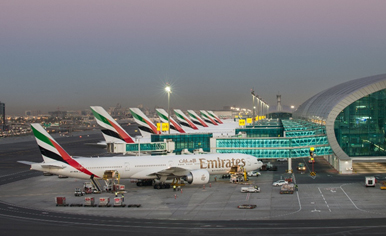
The Middle East has long leveraged its advantageous geographical location and strategic investments to build a world-class civil aviation infrastructure. This has enabled the region to support high volumes and intensity of air traffic while fostering a profitable ecosystem of related businesses.
With its leading airlines offering extensive route networks and exceptional service quality, the region continues to expand corporate structures and develop new business areas beyond air transportation. The dominance of long-haul international destinations and resilience against seasonal fluctuations in passenger traffic have shaped the composition of airline fleets, with a high proportion of wide-body aircraft surpassing global averages.
Recent years have also seen a significant rise in demand for low-cost air travel, driving the rapid development of budget carriers across the region. While the COVID-19 pandemic has impacted air transportation volumes and fleet strategies, the Middle East’s aviation sector retains immense potential for growth and adaptation.
In the medium term, regional airlines will face the challenges of financial recovery, growing competition, and evolving business models. These factors will prompt innovative approaches to route development, particularly targeting high-growth markets such as India and China.
Despite these challenges, the Middle East’s air transport system remains poised for transformation, with a projected demand of 2,080 new aircraft over the next 20 years. Our vision embraces this potential, aiming to contribute to and benefit from the ongoing evolution of the aviation industry in the region.
Vision for India
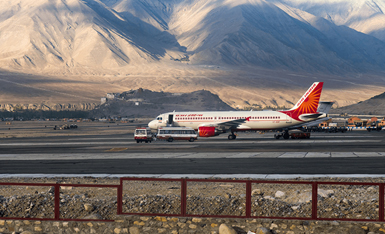
India’s civil aviation sector is undergoing rapid expansion, driven by government policies and increasing demand. The New Civil Aviation Policy (NCAP) and initiatives like UDAN are aimed at improving connectivity, particularly in regional areas, and attracting investments to enhance infrastructure and fleet capacity. Despite challenges such as a historically low supply of air travel capacity, India is expected to experience significant growth in passenger traffic, with domestic travel playing a dominant role.
Key takeaways include:
1. Growth Potential:
Domestic passenger traffic is targeted to reach 300 million by 2024 and 500 million by 2027.
International passenger traffic is expected to hit 200 million by 2027.
Passenger turnover is forecasted to grow 3.2 times by 2037, surpassing global averages.
2. Government Support & Investment:
$15.5 billion investment planned for airport network expansion, fleet growth, and technical services.
Relaxation of licensing rules for international operations and incentives for MRO services to boost local maintenance capabilities.
The UDAN scheme aims to enhance regional connectivity through subsidies and infrastructure support.
3. Fleet Expansion & Market Structure:
Indian airlines are projected to acquire around 2,000 new aircraft over the next two decades.
Narrow-body aircraft will dominate operations, increasing to 82% of total transport.
IndiGo leads the domestic market with a high seat load factor (83.5%), while Air India dominates international routes with a load factor of 80%.
4. Challenges & Opportunities:
Despite rapid growth, India’s air travel per capita remains low compared to global averages.
Infrastructure development and regulatory reforms will be crucial to sustaining growth.
Financial support and private investments will play a key role in expanding capacity.
India’s civil aviation sector is positioned for long-term growth, with strategic initiatives focusing on affordability, accessibility, and operational efficiency.